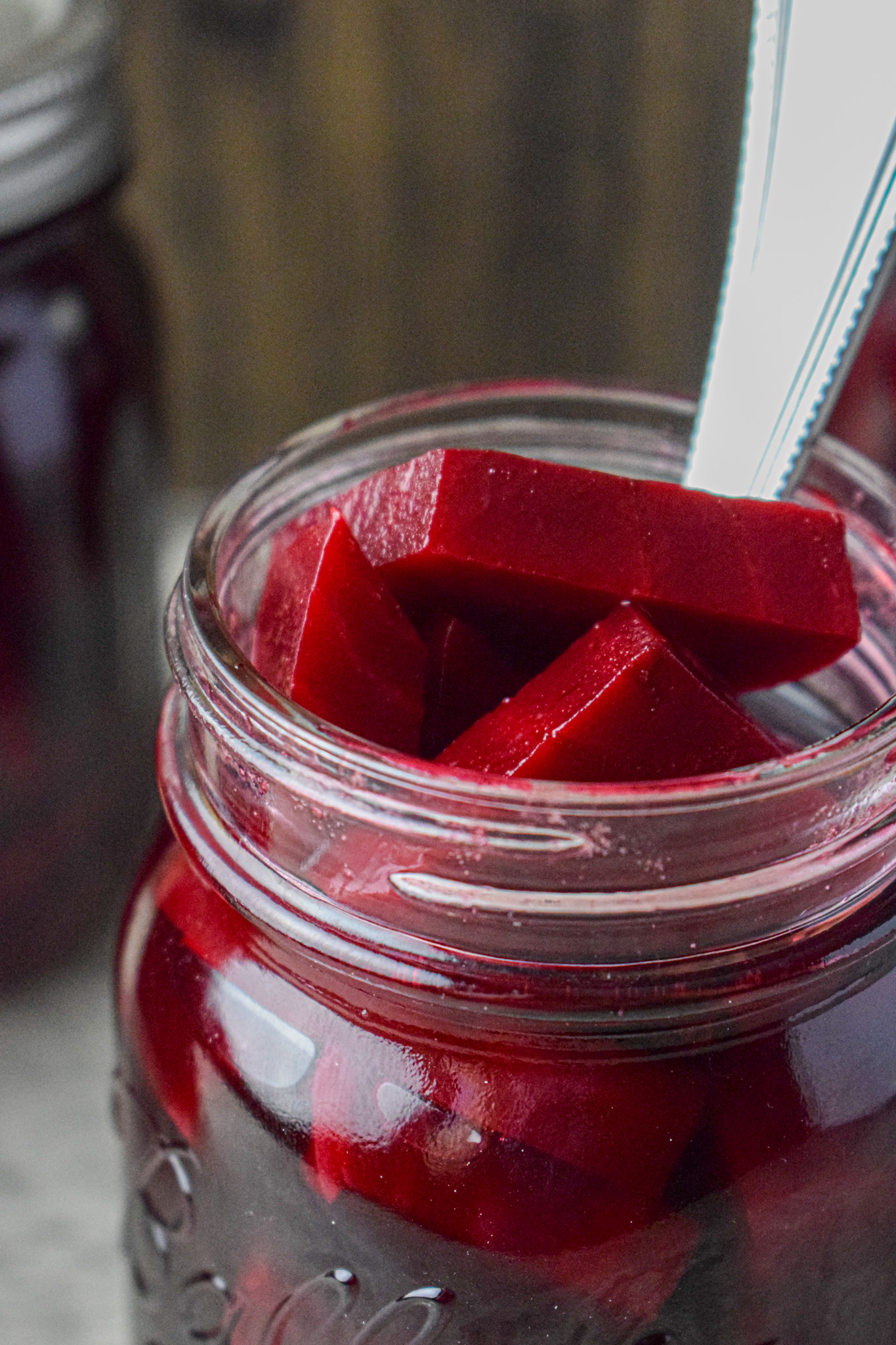
The vibrant, earthy sweetness of beets takes on a whole new dimension when pickled. Whether you're dealing with a bumper crop from your garden or simply seeking a delicious, versatile condiment for your pantry, learning how to make pickled beets is a rewarding culinary endeavor. But which method is right for you: traditional canning for long-term storage or a quicker refrigerator batch? This comprehensive guide delves into both approaches, exploring the techniques, essential safety measures, and myriad uses for these beautiful ruby-red preserves.
The Allure of Pickled Beets: Why Preserve This Root Vegetable?
Pickled beets aren't just a nostalgic side dish; they're a culinary powerhouse that can elevate a wide range of meals. Their distinctive sweet-tart flavor, coupled with a satisfying tender-crisp texture, makes them an indispensable addition to any kitchen. Beyond their delicious taste, preserving beets offers several compelling advantages:
- Extending the Harvest: For gardeners, pickling is an excellent way to utilize an abundance of fresh beets, ensuring none of your hard work goes to waste. It transforms a seasonal vegetable into a year-round treat.
- Flavor Enhancement: The pickling process, involving a brine of vinegar, sugar, and salt, intensifies the natural sweetness of the beets while introducing a delightful tang that plain boiled beets simply can't match.
- Versatility in Meals: From jazzing up salads and sandwiches to serving as a standalone side dish or a colorful component on charcuterie boards, pickled beets are incredibly versatile.
- Thoughtful Food Gifts: A jar of homemade pickled beets makes a cherished and personal gift for friends and family, especially during the holidays or as a host/hostess present.
They are a fantastic way to add bright color and a unique flavor profile to winter plates, making those quick weeknight dinners feel a little more special with minimal effort.
Canning Pickled Beets: The Shelf-Stable Solution
For those looking for long-term storage and the convenience of a pantry-stable product, water bath canning is the preferred method for pickled beets. This process ensures safety and preserves your beets for up to a year, ready to be enjoyed whenever the craving strikes.
Step-by-Step Canning Process for Pickled Beets
The journey to shelf-stable pickled beets begins with careful preparation and attention to detail:
- Prepare the Beets: Start by thoroughly washing your fresh beets. Boil them until they are tender enough to be easily pierced with a fork, typically around 15-20 minutes depending on size. Once cooked, reserve about two cups of the nutrient-rich beet water before draining the rest. Allow the beets to cool slightly, then the skins should slip off with ease. Slice or dice your peeled beets to your desired size.
- Sterilize Jars and Lids: This is a crucial step for safe canning. Immerse wide-mouth canning jars and their lids in boiling water for at least 10 minutes to sterilize them. Keep them hot until ready to fill. A good practice is to have a dedicated canning pot with a rack for this.
- Craft the Brine: In a separate saucepan, combine your reserved beet water, vinegar (white, cider, or rice wine vinegar all work well, but white vinegar is a classic choice), pickling salt (essential as it's free of anti-caking agents that can cloud your brine), and sugar. Bring this mixture to a rolling boil, ensuring the sugar and salt are fully dissolved. For added flavor, consider adding a few whole cloves to each jar with the beets.
- Fill and Seal: Carefully pack the hot, prepared beets into the hot, sterilized jars, leaving about ½ inch of headspace. Pour the hot brine over the beets, ensuring they are completely submerged and maintaining the ½ inch headspace. Remove any air bubbles with a non-metallic utensil, wipe the rims clean, center the lids, and apply the screw bands finger-tight.
- Process the Jars: Place a trivet or rack at the bottom of a large stockpot. Carefully place the sealed jars on the rack, ensuring they don't touch each other. Fill the pot with boiling water until the jars are covered by at least 1 inch of water. Bring the water to a full boil, cover the pot, and process for 10 minutes (adjusting for altitude if necessary). Once processing is complete, turn off the heat, remove the lid, and let the jars rest in the hot water for 5 minutes before carefully removing them to a towel-lined surface to cool completely and seal. You'll hear that satisfying "pop" as they seal!
Properly canned pickled beets, sealed and stored in a cool, dry place away from direct light, will remain shelf-stable for up to 12 months. Once opened, they should be refrigerated and consumed within 3-4 days.
Refrigerator Pickled Beets: Quick & Convenient
If you're looking for a faster, less equipment-intensive way to enjoy pickled beets, or if you only have a small batch of beets to preserve, the refrigerator method is ideal. While not shelf-stable, these quick pickles are ready to eat sooner and require less fuss.
The Simplicity of Refrigerator Pickled Beets
The process for refrigerator pickled beets largely mirrors the initial steps of canning, but with a significant difference in the final stages:
- Prepare the Beets: As with canning, boil and peel your fresh beets, reserving some beet water. Slice or dice them to your preference.
- Prepare Jars (No Sterilization Needed): While full sterilization isn't strictly necessary for refrigerator pickles, it's always good practice to ensure your jars are clean and hot. Wash them thoroughly with hot, soapy water and rinse well. You can even run them through a dishwasher.
- Craft the Brine: Prepare the same delicious brine as you would for canning, combining beet water, vinegar, pickling salt, and sugar, and bringing it to a boil.
- Fill Jars and Refrigerate: Pack the hot beets into your clean jars. Pour the hot brine over the beets, ensuring they are fully submerged. Secure with lids. Once cooled to room temperature, immediately transfer the jars to the refrigerator.
Refrigerator pickled beets will be ready to enjoy within 24 hours, though their flavor will deepen over a few days. They typically last for several weeks (up to a month or two, depending on the acidity and storage conditions) when kept continuously refrigerated. This method is perfect for smaller batches and offers immediate gratification.
Essential Ingredients and Safety Considerations for Pickled Beets
Regardless of whether you choose canning or the refrigerator method, certain ingredients and safety protocols are paramount for delicious and safe pickled beets.
The Power of Vinegar and Pickling Salt
The brine is the heart of any pickled food. For pickled beets, a high-acid brine is not just about flavor; it's about preservation and safety. White vinegar is often called for due to its consistent acidity (5%), but cider vinegar (also 5% acidity) offers a slightly fruitier note, and rice wine vinegar provides a milder tang. Always ensure your chosen vinegar has at least 5% acidity, especially for canning. Pickling salt is also non-negotiable, as regular iodized table salt can cause your brine to become cloudy and may impart an off-flavor.
Understanding Brine Ratios & Acidity
When canning, adhering to tested recipes and their precise brine ratios, like those from trusted sources such as the Ball Canning Back to Basics Book or USDA guidelines, is critical. These ratios ensure a high enough acid level to prevent the growth of harmful bacteria. The goal is to create an environment where spoilage organisms cannot thrive. This is why canned pickled beets are considered "pickled" – the food is preserved in the brine, not just flavored by it, distinguishing it from merely "marinated" foods that only get a temporary flavor boost from acid.
Even for refrigerator pickles, a well-balanced, acidic brine is key to both flavor and a reasonable shelf life. While the same stringent pH levels aren't required as for shelf-stable canning, a strong vinegar presence will still inhibit spoilage.
Maximizing the Flavor and Versatility of Your Pickled Beets
Once you've mastered the art of making pickled beets, the possibilities for enjoying them are endless. Beyond the obvious, here are a few ideas to get your culinary creativity flowing:
- Salad Superstar: Add slices or chunks to green salads for a pop of color and a tangy counterpoint to fresh greens and cheese.
- Sandwich & Burger Booster: Layer them into sandwiches, wraps, or on top of grilled burgers for an unexpected burst of flavor.
- Relish Trays & Charcuterie Boards: Their vibrant hue and zesty taste make them a perfect component for appetizer spreads.
- A Simple Snack: Don't underestimate the joy of eating them straight from the jar as a refreshing snack.
- Pickled Eggs: And here's a fantastic bonus tip: don't discard that flavorful pickled beet juice! It's the perfect foundation for whipping up a batch of delicious pickled eggs. Simply hard-boil some eggs, peel them, and submerge them in the leftover beet brine for a few days in the refrigerator.
Consider experimenting with additional spices in your brine, such as bay leaves, black peppercorns, or a pinch of red pepper flakes for a subtle kick, to truly personalize your pickled beet experience.
Whether you opt for the rewarding process of canning for a year's supply or the immediate gratification of a refrigerator batch, making your own pickled beets is a delightful way to capture the essence of this incredible root vegetable. With proper technique and an understanding of safety, you'll always have these beautiful, tangy gems on hand to brighten your meals and impress your guests. So, gather your fresh beets, choose your method, and get ready to enjoy the rich, sweet-tart magic of homemade pickled beets!
