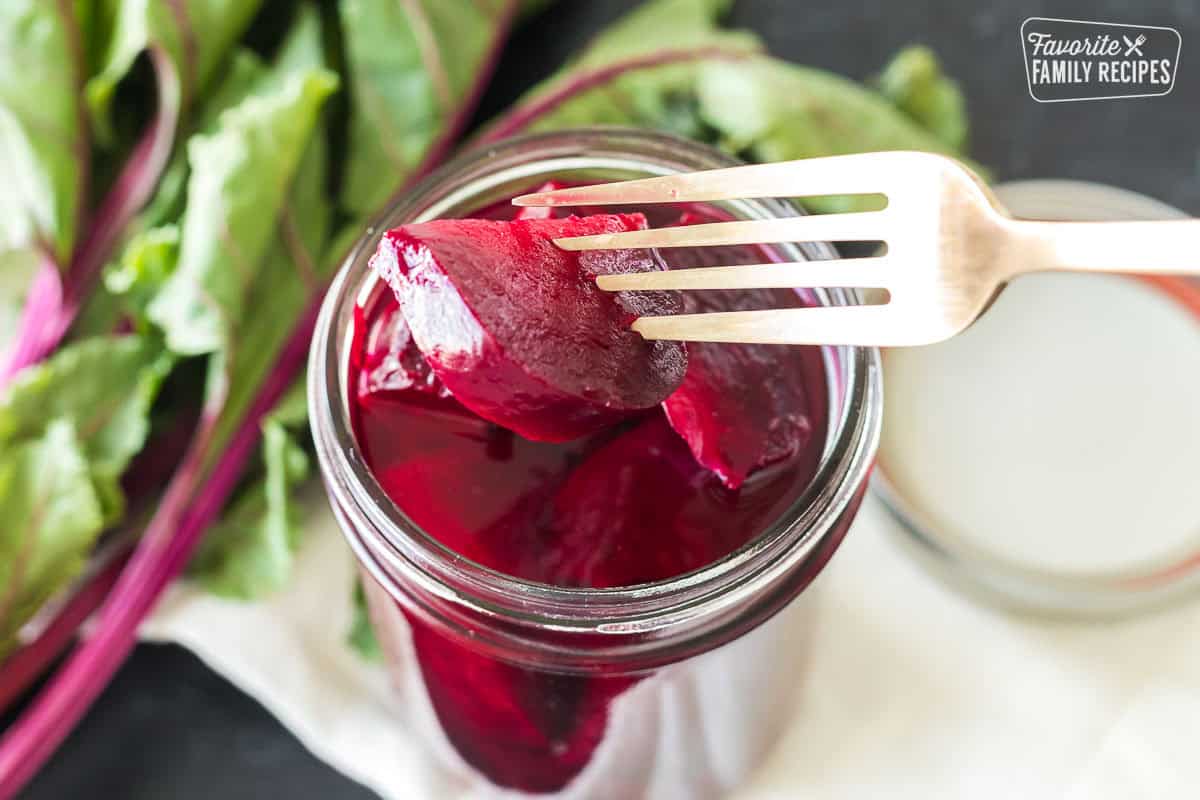
Easy Pickled Beets: Your Guide to Year-Round Flavor and Pantry Staples
There's a special kind of joy that comes from a bountiful garden harvest, especially when it involves vibrant, earthy beets. But what do you do when your counter is overflowing with these crimson gems? The answer for many seasoned home preservers is simple: transform them into delicious, shelf-stable
pickled beets. This age-old tradition not only extends the life of your produce but also creates a versatile condiment that brightens up meals all year long. Forget bland, watery canned beets; we're talking about a sweet, tangy, and perfectly preserved treat that's bursting with flavor. And the best part? It's easier to achieve than you might think!
Why Pickled Beets Are a Pantry Essential
Imagine pulling a jar of ruby-red goodness from your pantry on a cold winter day, a taste of summer preserved just for you. That's the magic of
pickled beets. They're far more than just a side dish; they're a culinary chameleon that adds a vibrant pop of color and a unique sweet-and-sour punch to an array of dishes.
*
Versatility Unleashed: While utterly delightful straight from the jar, pickled beets truly shine when incorporated into meals. Slice them for a refreshing addition to salads, layer them onto sandwiches and burgers for an unexpected burst of flavor, or arrange them on snack plates and relish trays for an elegant touch. Their distinctive taste complements everything from hearty meats to fresh greens.
*
Seasonal Delight, Anytime: When you have a bumper crop of fresh beets, canning them ensures that none go to waste. You can enjoy that fresh, garden-grown flavor long after the harvest season has ended, adding a homemade touch to any dinner with minimal effort.
*
Thoughtful Food Gifts: Hand-canned
pickled beets make exceptional, heartfelt gifts during the holidays or for special occasions. A jar of your homemade goodness speaks volumes, offering a taste of your kitchen to friends and family.
*
Beyond the Basic: Unlike plain canned beets preserved in water, pickled beets are infused with a carefully balanced brine. This brine not only preserves them but also imbues them with that signature tangy-sweet flavor, making them ready to serve directly from the jar. It’s this unique flavor profile that elevates them from a simple vegetable to a gourmet accompaniment.
Having a stash of these beauties means you're always ready to elevate a meal, making them a true must-have for any well-stocked pantry. For even more ways to use these versatile jars, explore
The Ultimate Pickled Beets Guide: Uses, Brine & Storage Tips.
Getting Started: Essential Ingredients and Equipment
Before you dive into the pickling process, gathering your ingredients and ensuring you have the right tools is key. This preparation will set you up for success and make the entire canning experience smooth and enjoyable.
Key Ingredients for Flavorful Pickled Beets
The beauty of
pickled beets lies in their simple, yet impactful, ingredient list:
*
Fresh Beets: Opt for firm, unblemished beets with healthy greens (which you can save for other dishes!). The fresher, the better for optimal flavor and texture.
*
Vinegar: White vinegar is the standard choice for its crisp acidity and clear finish. However, don't shy away from experimenting with cider vinegar for a slightly fruitier note or rice wine vinegar for a milder, subtle tang. Always use vinegar that is at least 5% acidity for safe canning.
*
Sugar: Granulated sugar balances the acidity of the vinegar, creating that irresistible sweet-and-sour profile.
*
Pickling Salt: This is crucial! Pickling salt (also known as canning salt) is free of anti-caking agents and iodine, which can cause cloudiness and discoloration in your brine. Do not substitute with table salt.
*
Reserved Beet Water: This often-overlooked ingredient adds depth of flavor and a beautiful color to your brine. Don't discard it after cooking your beets!
*
Optional Spices: While the classic recipe is fantastic on its own, a few whole cloves added to each jar can impart a wonderfully aromatic warmth. Other spices like bay leaves, cinnamon sticks, or even a pinch of mustard seed can add complexity if you're feeling adventurous.
Essential Equipment for Safe Canning
Canning requires a few specific tools to ensure both safety and efficiency:
*
Wide-Mouth Canning Jars and Lids: Always use jars specifically designed for canning. Wide-mouth jars are easier to fill. Ensure lids are new for a reliable seal (bands can be reused).
*
Large Stockpot/Canner: You'll need one large pot for cooking the beets and another (or the same one, cleaned) for the water bath processing. A water bath canner with a rack is ideal.
*
Canning Rack or Trivet: This keeps jars from direct contact with the bottom of the pot, preventing breakage and allowing water to circulate.
*
Jar Lifter: An absolute necessity for safely moving hot jars in and out of boiling water.
*
Canning Funnel: Helps prevent spills and keeps jar rims clean when filling.
*
Headspace Tool: Ensures proper headspace, which is vital for a good seal.
*
Bubble Remover/Debubbler: A plastic or wooden utensil used to remove air bubbles from jars after filling.
*
Basic Kitchen Tools: Peeler, sharp knives, large bowls, measuring cups, and spoons.
Remember, safety is paramount in canning. Always follow tested recipes and procedures to ensure your preserves are safe for consumption. For a deeper dive into canning safety and different methods, refer to
Pickled Beets: Canning vs. Refrigerator Methods & Safety.
Your Step-by-Step Guide to Perfectly Pickled Beets (Canning Method)
Ready to turn those fresh beets into shelf-stable jars of deliciousness? Follow this detailed guide for a successful batch of home-canned
pickled beets.
Step 1: Preparing Your Beets
1.
Wash and Cook: Thoroughly wash your fresh beets, trimming off the greens (save them for sautéing!) but leaving about an inch of stem and the root end intact. This prevents "bleeding" during cooking. Place the beets in a large pot, cover with water, and bring to a boil. Reduce heat and simmer until tender, which usually takes about 15-30 minutes for medium-sized beets. Test for doneness by piercing with a fork – it should slide in easily.
2.
Reserve and Peel: Carefully remove the beets from the cooking water, reserving at least two cups of this beautifully colored beet water for your brine. Drain the rest. Once the beets are cool enough to handle, the skins should slip off easily. You can use your hands or a small paring knife. Trim off the remaining stem and root ends.
3.
Slice or Dice: Depending on your preference, you can leave small beets whole, halve or quarter larger ones, or slice them into uniform rounds. Aim for pieces that will fit comfortably into your canning jars.
Step 2: Sterilizing Jars and Lids
1.
Clean Jars: Wash your canning jars and screw bands in hot soapy water; rinse well. New canning lids should also be washed.
2.
Sterilize: Place the clean jars upright on a canning rack in your large canner. Fill the canner and jars with water until the jars are covered by at least an inch. Bring the water to a boil and boil for a minimum of 10 minutes to sterilize. Keep the jars hot until ready to fill. Place the new lids in a separate small saucepan with hot (not boiling) water to soften the sealing compound.
Step 3: Crafting the Flavorful Brine
1.
Combine Ingredients: In a separate saucepan, combine your reserved beet water, sugar, vinegar, and pickling salt.
2.
Boil: Bring the brine mixture to a rolling boil, stirring occasionally to ensure the sugar and salt fully dissolve. Keep the brine hot while you fill your jars.
Step 4: Filling and Sealing Your Jars
1.
Pack Jars: Carefully remove one hot, sterilized jar from the canner using your jar lifter. Place a canning funnel on top. If desired, add a few whole cloves to the bottom of the jar. Pack the prepared beets into the hot jar, leaving a 1/2-inch headspace (the space between the top of the food and the rim of the jar).
2.
Add Brine: Ladle the hot brine over the beets, ensuring they are completely covered, maintaining that 1/2-inch headspace.
3.
Remove Air Bubbles: Use a bubble remover tool or a thin plastic spatula to gently dislodge any trapped air bubbles by running it around the inside of the jar. Add more brine if necessary to maintain headspace.
4.
Clean Rims and Seal: Wipe the jar rims thoroughly with a clean, damp cloth. A clean rim is essential for a good seal. Place a hot lid centered on the jar, then screw on a band finger-tight (just until resistance is met). Do not overtighten.
Step 5: Water Bath Processing for Shelf Stability
1.
Prepare Canner: Place the filled, sealed jars back onto the canning rack in your canner. Ensure the jars are not touching each other.
2.
Cover with Water: Add more boiling water to the canner if needed, ensuring the jars are covered by at least 1 inch of water.
3.
Process: Bring the water in the canner back to a rolling boil. Once boiling, cover the canner with its lid and process for 10 minutes.
(Note: For altitudes above 1,000 feet, processing times need to be increased. Consult a reliable canning guide for specific adjustments.)
4.
Cool and Check Seals: After 10 minutes, turn off the heat and let the jars rest in the hot water for 5 minutes before carefully removing them with a jar lifter. Place the hot jars upright on a clean towel or cooling rack, ensuring they are not touching, and allow them to cool undisturbed for 12-24 hours. You'll hear satisfying "ping" sounds as the lids seal. After cooling, check the seals by pressing the center of each lid. If it doesn't flex, it's sealed.
Maximizing Your Pickled Beet Experience
Congratulations, you've successfully canned your first batch of
pickled beets! Now, let's ensure you get the most out of your efforts.
Storage & Shelf Life
Proper storage is crucial for maintaining the quality and safety of your homemade preserves.
*
Shelf-Stable Storage: Thanks to the water bath processing, sealed jars of pickled beets are shelf-stable. Store them in a cool, dry, dark place (like a pantry or basement) away from direct sunlight and temperature fluctuations. Under these conditions, they will retain their best quality for up to 12 months.
*
Refrigeration After Opening: Once a jar of pickled beets has been opened, it must be stored in the refrigerator. Consume them within 3-4 days for optimal freshness and safety.
Beyond the Jar: Creative Uses & Tips
While we've touched on their versatility, here are some extra tips to truly maximize your pickled beet experience:
*
Save the Juice! This is a golden rule for any pickled beet enthusiast. The vibrant, flavorful brine leftover in your jar is perfect for making a batch of delicious
pickled eggs. Simply submerge hard-boiled, peeled eggs in the juice and refrigerate for a few days – they'll absorb that incredible flavor and color!
*
Vinaigrettes and Marinades: The pickling liquid can also be used as a base for unique salad vinaigrettes or as a marinade for chicken or fish, adding a distinct tang and sweetness.
*
Flavor Boost: Finely chop pickled beets and add them to potato salad, coleslaw, or even deviled eggs for an unexpected twist. Their bright acidity cuts through richness beautifully.
*
Garnish Game Strong: Use whole or sliced pickled beets as an attractive and flavorful garnish for roasts, charcuterie boards, or alongside hearty stews.
Pickled vs. Marinated: A Clarification
It's easy to confuse pickling and marinating, but there's a key distinction, especially when it comes to preservation. While both involve flavoring food with acid:
*
Marinating primarily focuses on infusing flavor into food, typically for a shorter duration. The food isn't necessarily preserved long-term.
*
Pickling, on the other hand, is a method of food preservation that uses salt, acid (vinegar), or both. To be truly "pickled," the food must be preserved in the brine for an extended period, making it shelf-stable (when properly processed) rather than just flavored. Our canned
pickled beets fall firmly into the "pickled" category due to their preservation in an acidic brine.
Conclusion
Canning
pickled beets is a rewarding endeavor that connects you to time-honored traditions while stocking your pantry with a homemade delicacy. From the satisfying process of transforming fresh produce to the joy of pulling a jar from the shelf months later, this recipe offers year-round flavor and convenience. Whether you're enhancing a simple sandwich, creating an elegant side dish, or simply enjoying them straight from the jar, your efforts will be richly rewarded. So, embrace your next bumper crop of beets and embark on this delicious journey – your taste buds, and your pantry, will thank you!